Training & Behavior
Tools for raising a good dog, gently, and on your schedule.

Training & Behavior products
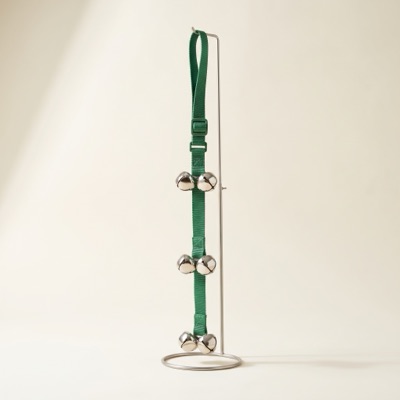
BFS Potty Bells Door Set
$13.99
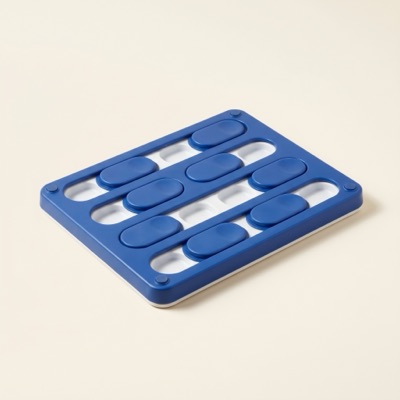
BFS Busy Brain Puzzle Feeder
$23.99
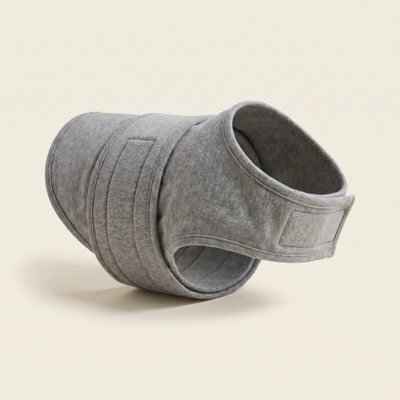
BFS Steady Hug Calming Wrap
$28.99
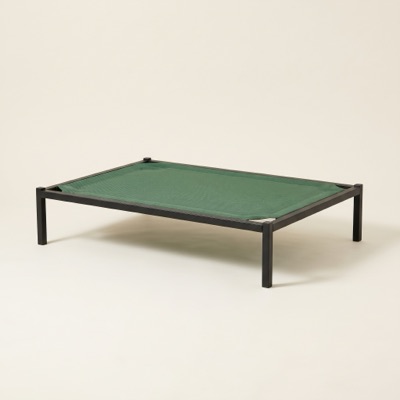
BFS Settle Spot Training Cot
$44.99
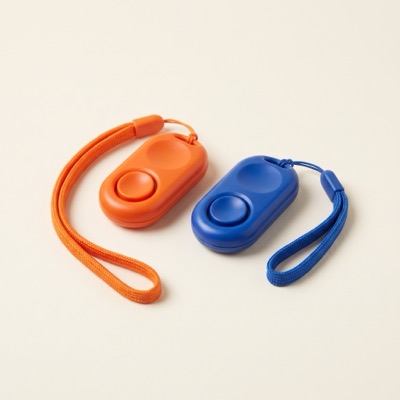
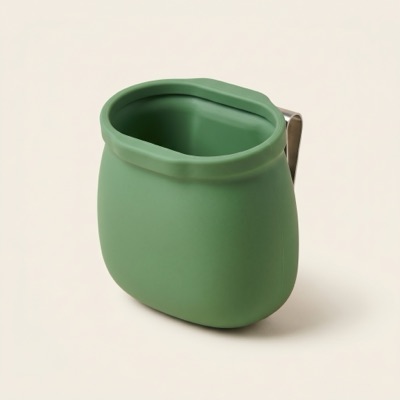
Training isn't a phase. It's a conversation you'll have with your dog for the rest of their life, and the right tools make that conversation clearer on both ends: a clicker that says 'yes' the exact same way every time, a pouch that keeps rewards one hand-motion away, bells that give your puppy a voice at the door, and a puzzle that turns a rainy afternoon into honest mental work.
One thing you won't find here: treats. We don't sell anything your dog eats, on purpose. The Treat Caddy and the Busy Brain puzzle are built to work with whatever your dog already loves, so you stay in charge of the menu. And when the goal is less excitement rather than more, the Steady Hug wrap and the Settle Spot cot teach the rarest trick in the book: relaxing on purpose.
From the guides
All guidesTraining & Behavior questions
Do you sell training treats?
No, we don't sell anything edible, on purpose. The Treat Caddy pouch and Busy Brain puzzle are designed to work with the treats or kibble your dog already eats, so you control exactly what goes in.
When should I start training a puppy?
Gently, from day one. Short, happy sessions of a few minutes beat long ones at any age. Potty bells and a clicker are the classic week-one tools; formal obedience can wait until your pup has settled in.
Do calming wraps actually work?
For many dogs, gentle, steady pressure has a noticeable settling effect during storms and fireworks, and for some dogs it does little. We say that plainly because it's true. A wrap is a low-risk tool to try, not a cure, and severe anxiety is a conversation for your vet.
What is place training?
Teaching your dog that one defined spot, usually an elevated cot, means 'settle here until released.' It gives an excited dog a clear, rewardable job during dinners, deliveries, and guests. The Settle Spot cot is built for exactly this.
Can older dogs learn new things?
Yes, happily, and at any age. Senior dogs often train beautifully, they're patient and food-motivated. Keep sessions short, keep rewards soft, and pick gear with a low step-up height.